


ICID-2021
Knowledge Partners
|

Gujarat Infrastructure Development Board |

|
Publishing Partner |


Glimpses
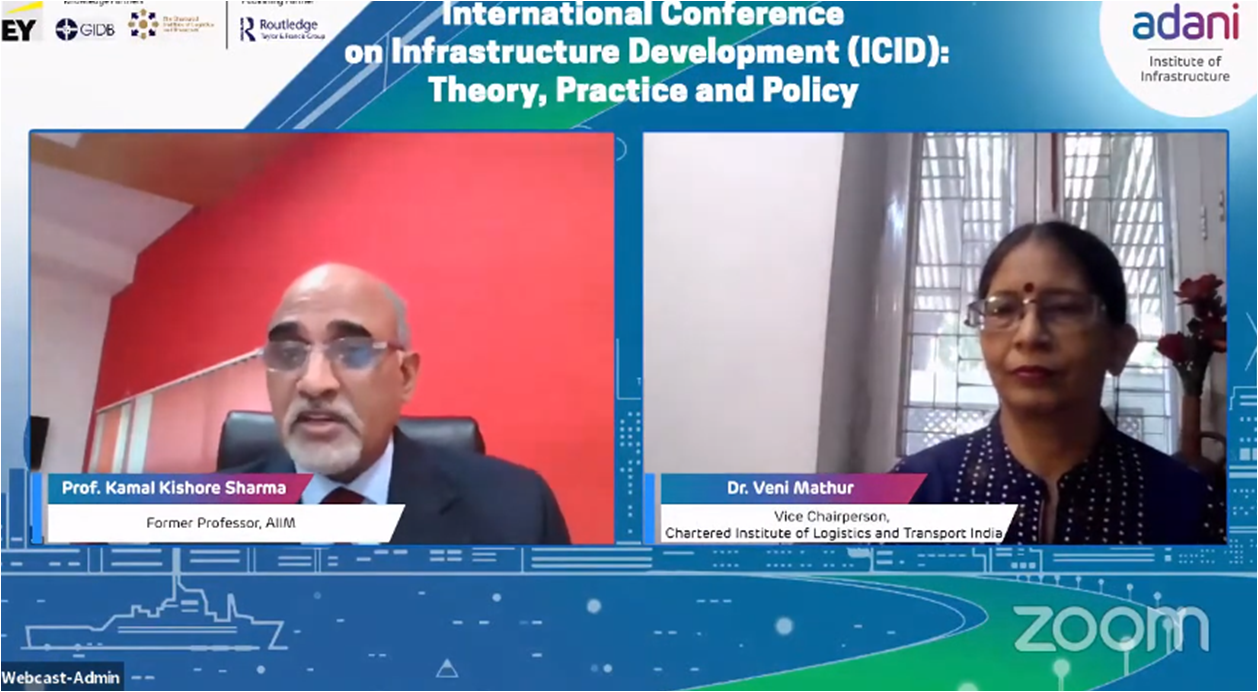
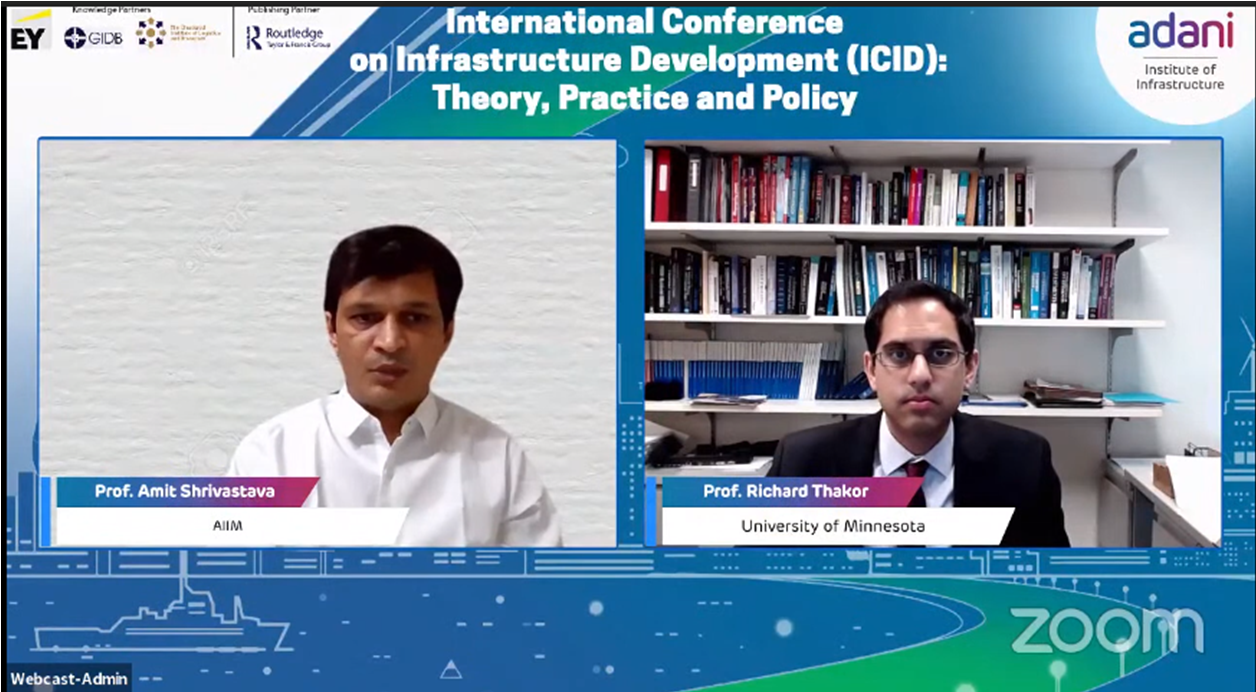
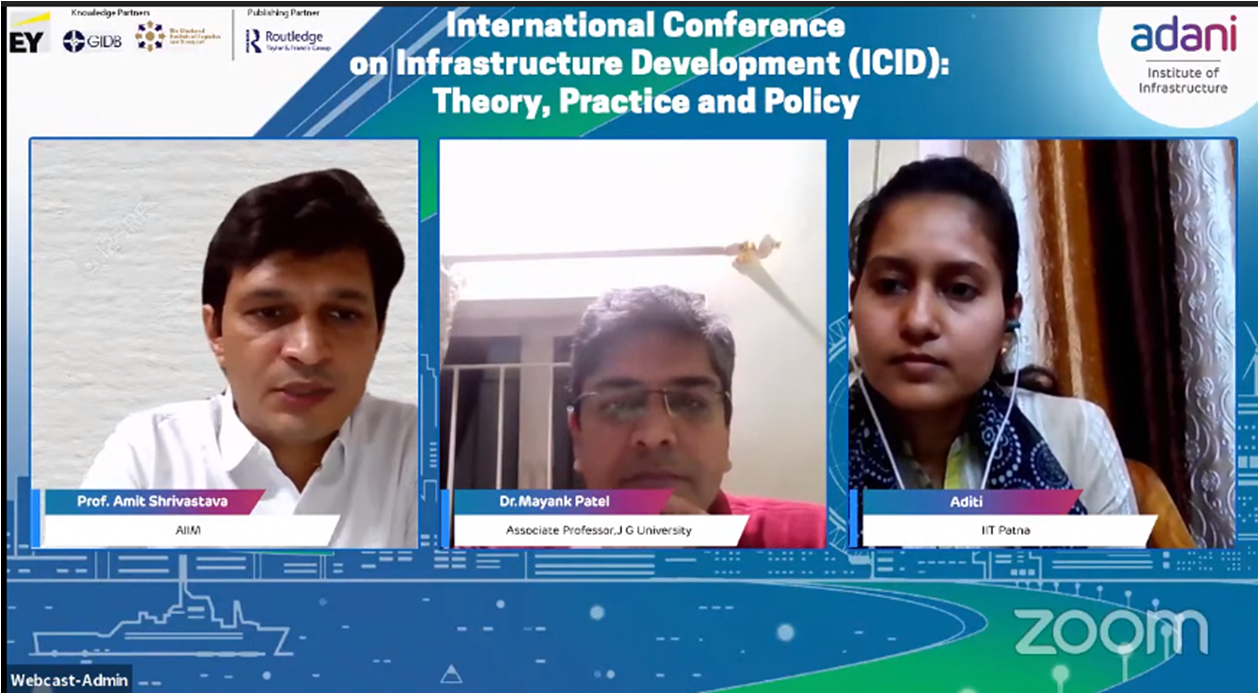
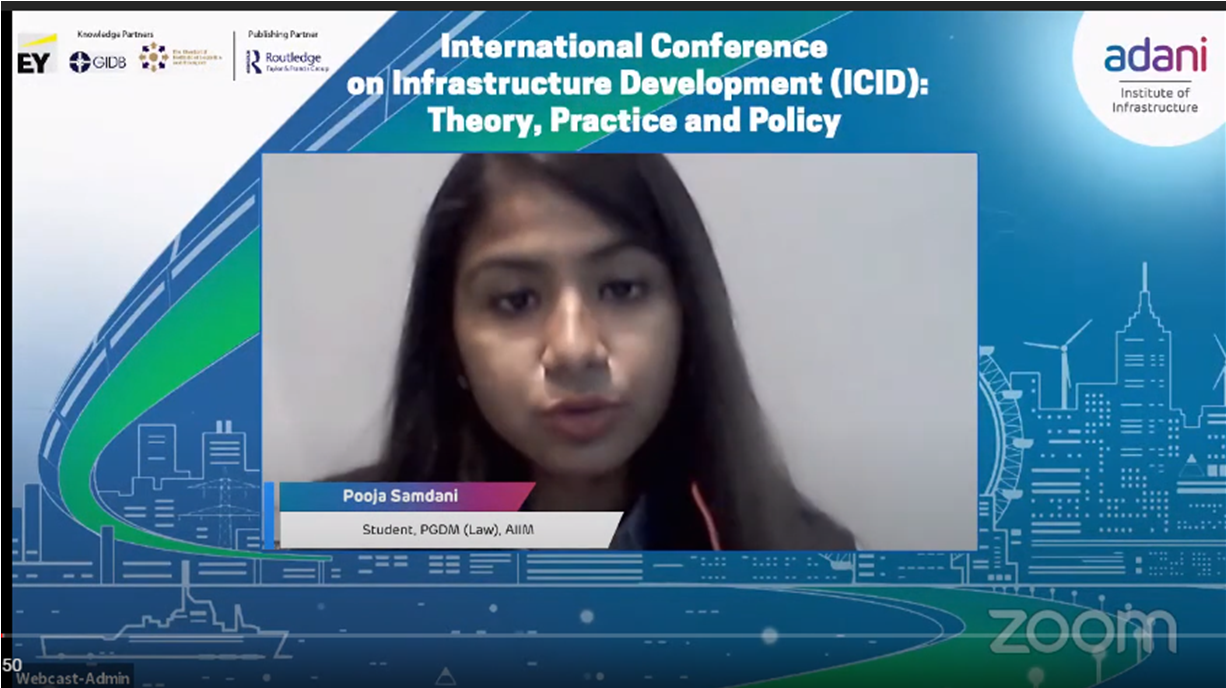
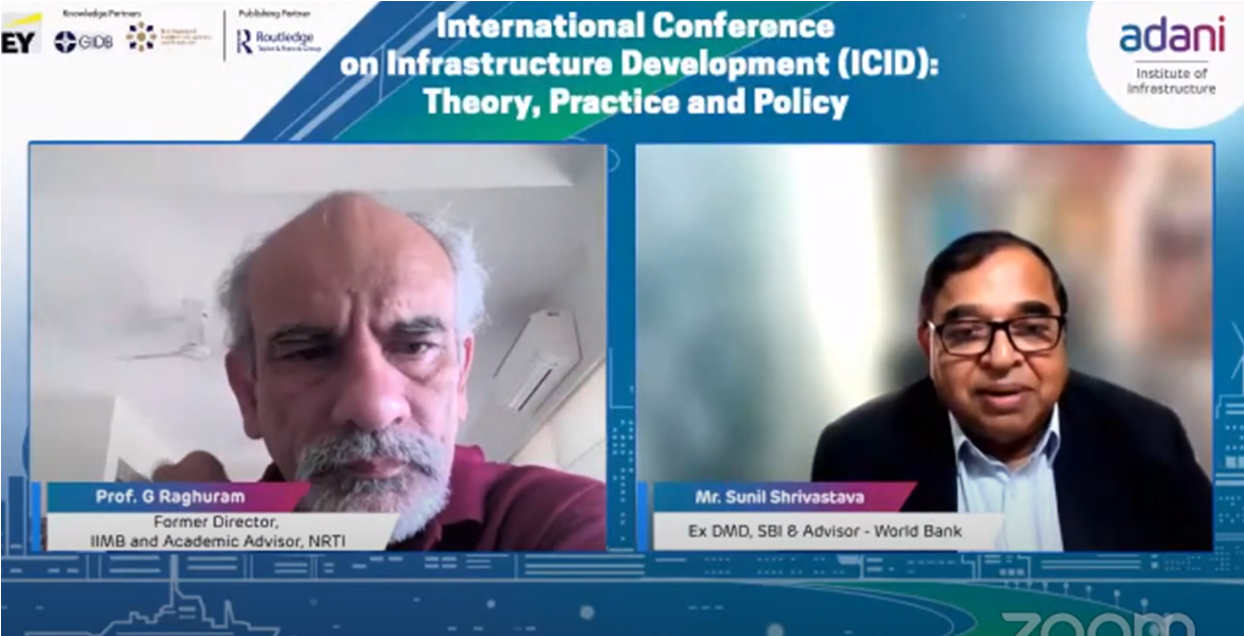
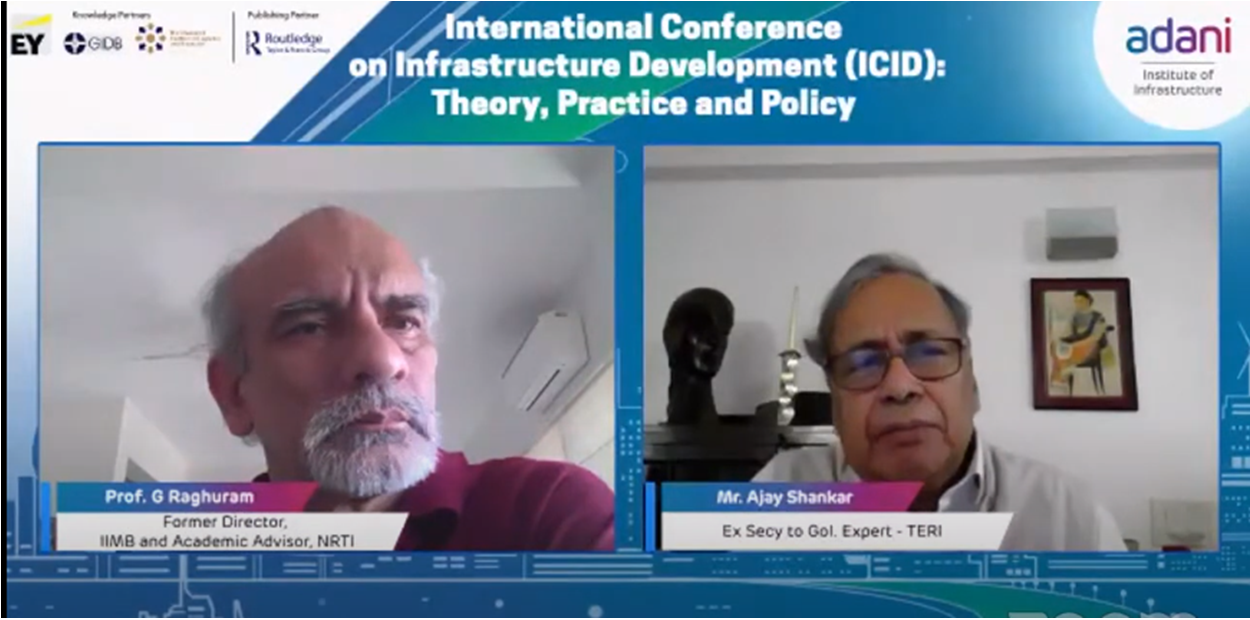
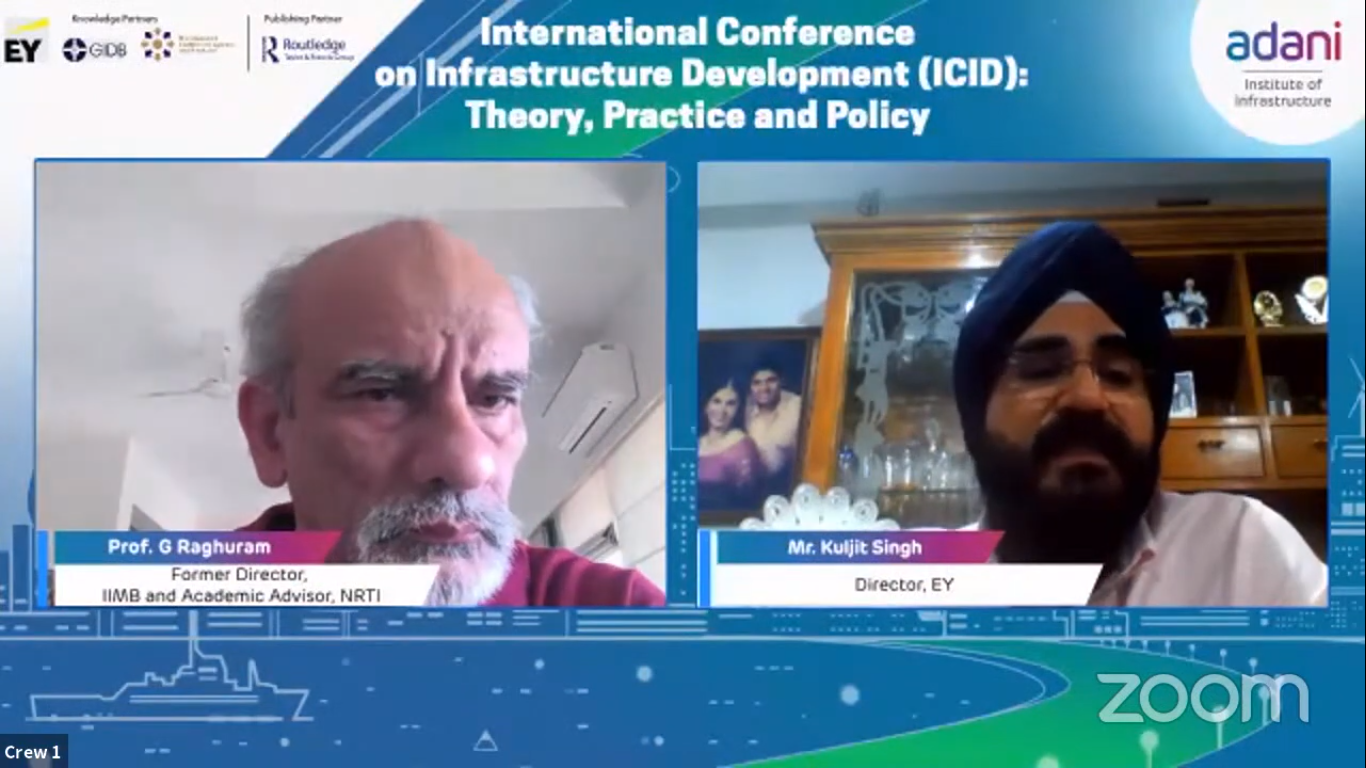
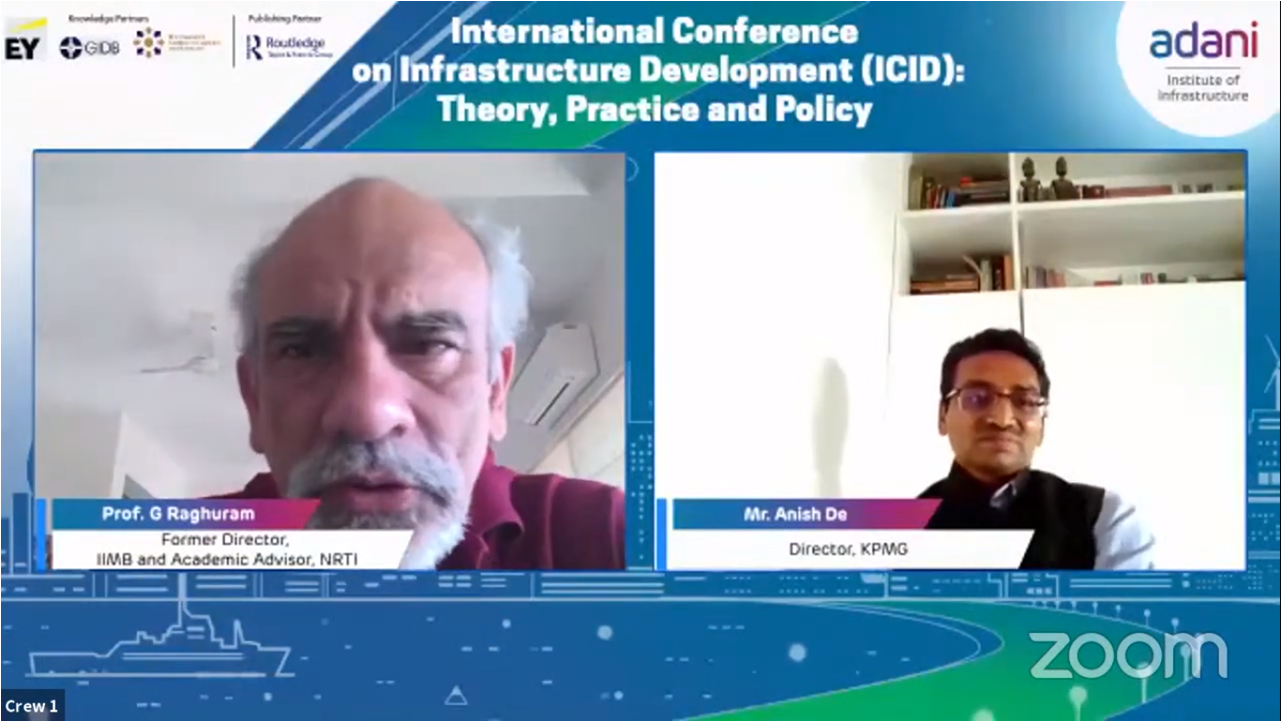
Conference overview
Infrastructure systems are drivers of economic growth and enable access to basic services and economic opportunities that improve livelihoods and well-being. As per the Indian Economic Survey 2019-20, an investment of US$ 1.4 trillion is required on infrastructure development in the next five years to have a sustainable development of the country.
This will be even more significant in the post-COVID-19 context, as infrastructure investments are likely to play an important role in the socio-economic recovery and government stimulus packages as one of the most effective ways to create jobs and stimulate economic growth. Since infrastructure assets are typically designed to last for decades, it is critical that these investments are channeled into sustainable infrastructure systems. It is also important that these structures are resilient to withstand, respond to, and recover rapidly from disruptions caused by climate change and other disasters.
India is gradually taking steps towards sustainable infrastructure developments, ‘National Infrastructure Pipeline’, being one of them. It encompasses Rs 102 lakh crores of infrastructure projects during 2020-25 in areas covering renewable sector, railways, urban development, irrigation, mobility etc. Moreover, the Ministry of Finance in 2018 had estimated that around US $450 million per year will be needed to finance India’s ambitious targets for renewable energy and urban sustainability over the next 10 years. Filling this urban infrastructure investment gap requires preparation of green action plans and clear finance strategies consisting of the right combination of spending decisions and taxes and financing instruments.
Against this backdrop, the policy discourse on infrastructure for development has focused on various dimensions, including the infrastructure financing gap, sustainability, affordability, renewable, green, inclusiveness, resilience, etc.
Aim of the conference
This conference aims to bring the researchers, practitioners, academicians, and policy makers from the domain of infrastructure together and promote interdisciplinary academic and policy research. It will offer a unique platform to the participants to interact with eminent speakers from India and abroad who will be invited for keynote speeches and panel discussions. Young researchers will get an opportunity to present their work before the panel of experts and get constructive feedback.
Who Should Attend
Faculty, practitioners, research scholars, and students from all the sectors affecting infrastructure.
Conference Tracks
Track 1: Social Infrastructure and Sustainability
Track 2: Transportation and Mobility Systems
Track 3: Sustainable Urban and Real Estate Infrastructure
Track 4: Energy and Green Infrastructure
Track 5: Financing Sustainable Infrastructure
The above list of tracks is only illustrative; contributors are encouraged to submit papers on any other issue that they deem relevant to the conference theme. Papers assessing the impact of COVID-19 in various sectors will be included in the respective tracks.
Schedule
Perspectives (Precursor to ICID)
Submission guidelines
- Original research papers/practice papers of 4000 to 6000 words are invited for each conference track.
- All papers will go through a review process.
- Do not submit papers which are identical or significantly similar to a work already published, under review for conference or publication.
- Submit full papers on the email id mentioned below.
- Download the full paper template and submit your manuscript accordingly.
- Submission link for full paper: https://easychair.org/cfp/ICID2021
Publication opportunities
- Abstracts of all papers presented in the conference will be published in an edited volume of conference proceedings with an ISBN Number.
- Select manuscripts (based on the blind peer review) will be published in a Compendium which will include invited contributions (articles, perceptions, policy analysis, perspectives) from eminent experts from industry and academia.
- This conference compendium will be published by Taylor & Francis.
- The best paper in each track will be awarded with a cash prize of Rs. 25,000.
 |
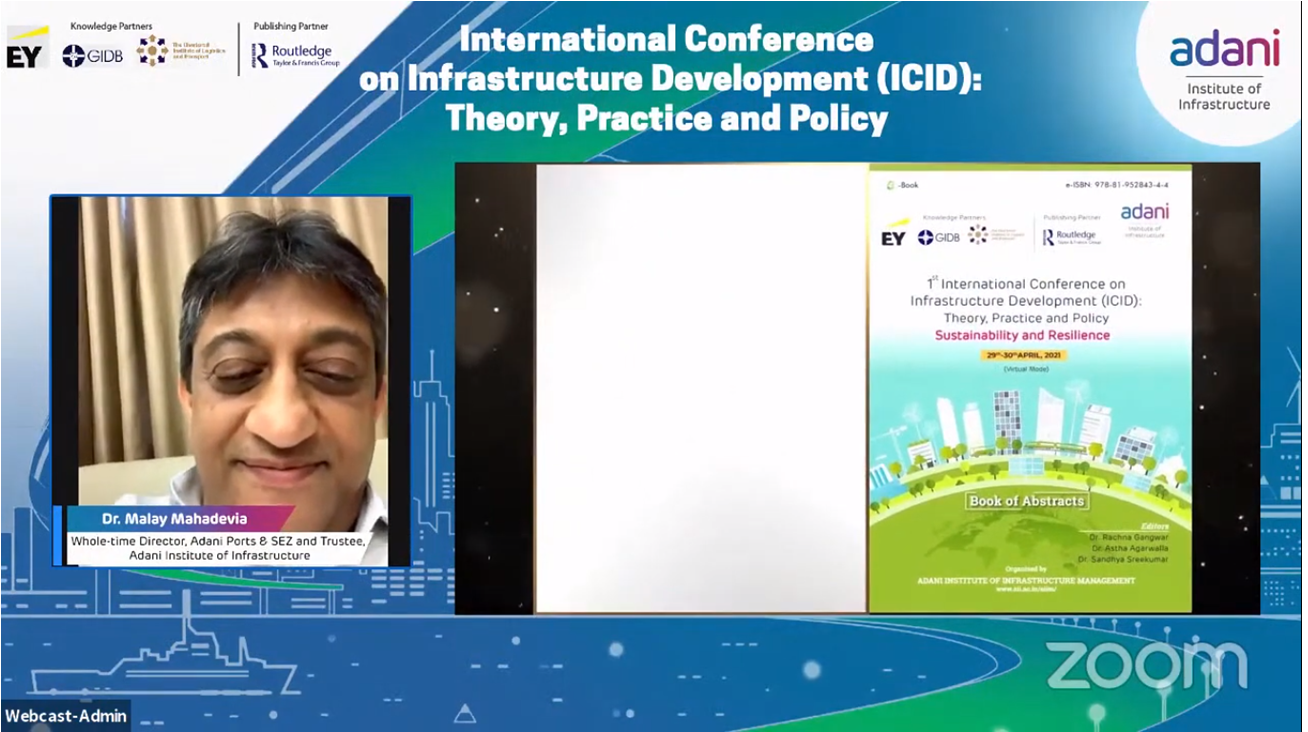
Dr. Malay Mahadevia, Whole-time Director, Adani Ports & SEZ and Trustee, Adani Institute of Infrastructure |
 |
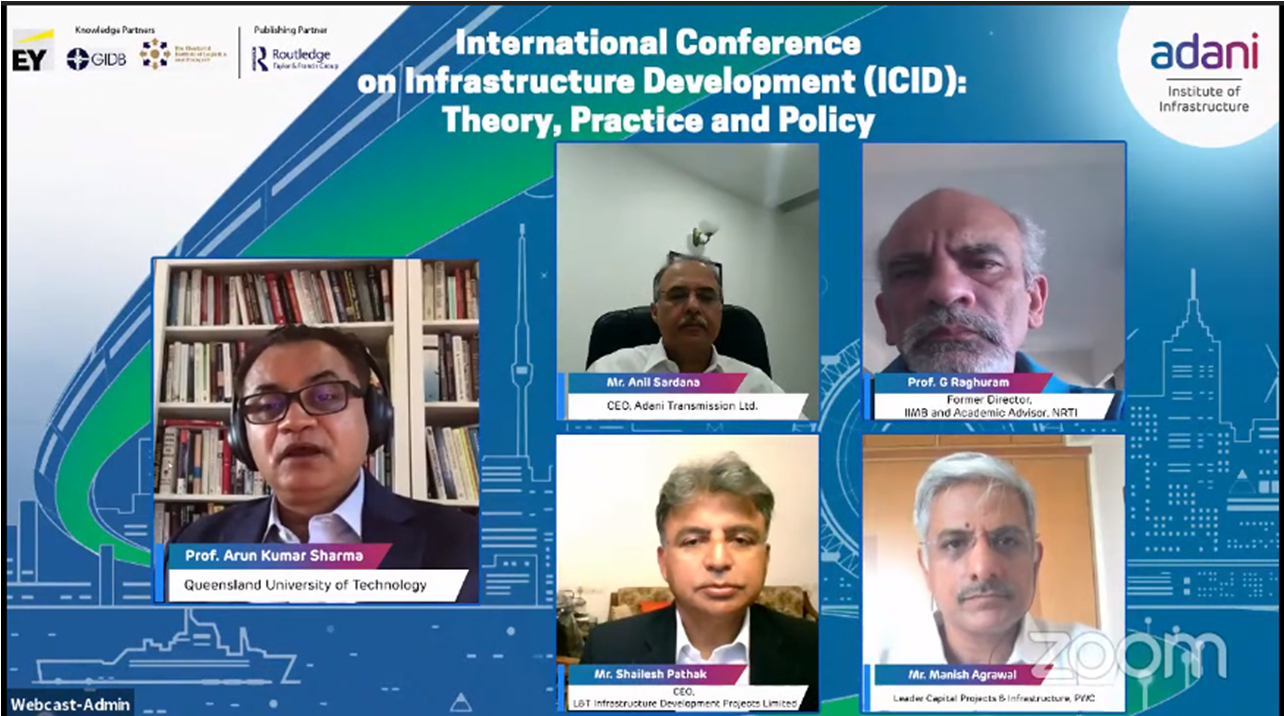
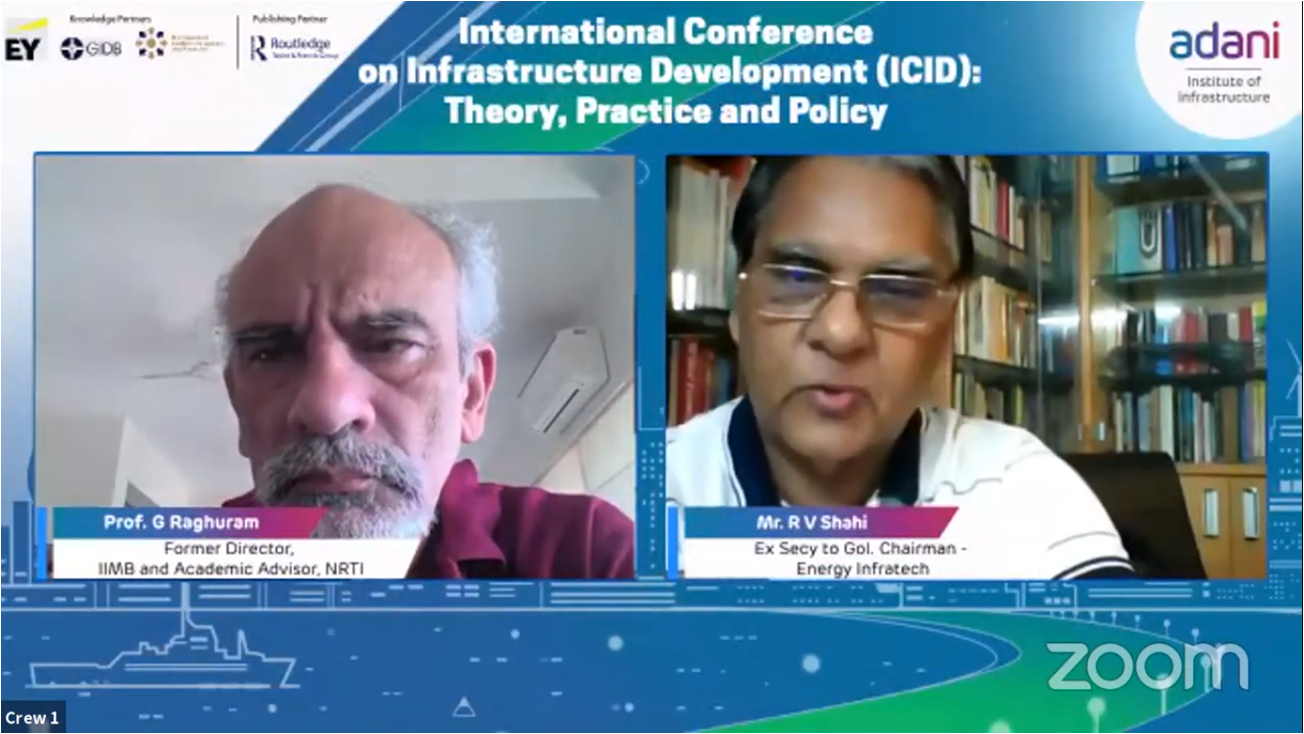
Prof. G. Raghuram, Principal Academic Advisor at National Rail & Transportation Institute (NRTI), Former Director, IIMB |
|
 |
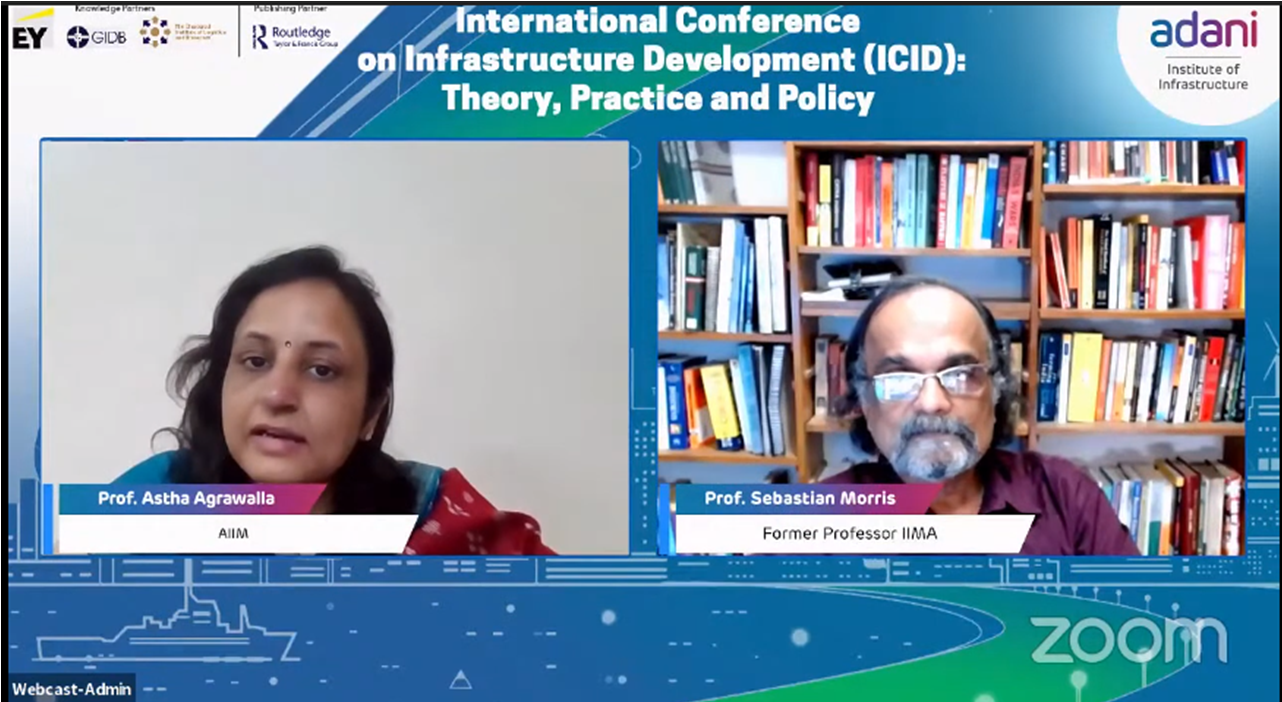
Prof. Sebastian Morris, Former Professor, IIMA |
 |
Prof. Arun Kumar Sharma, Former Deputy Vice-Chancellor & Distinguished Professor Emeritus, Queensland University of Technology, Australia |
|
 |
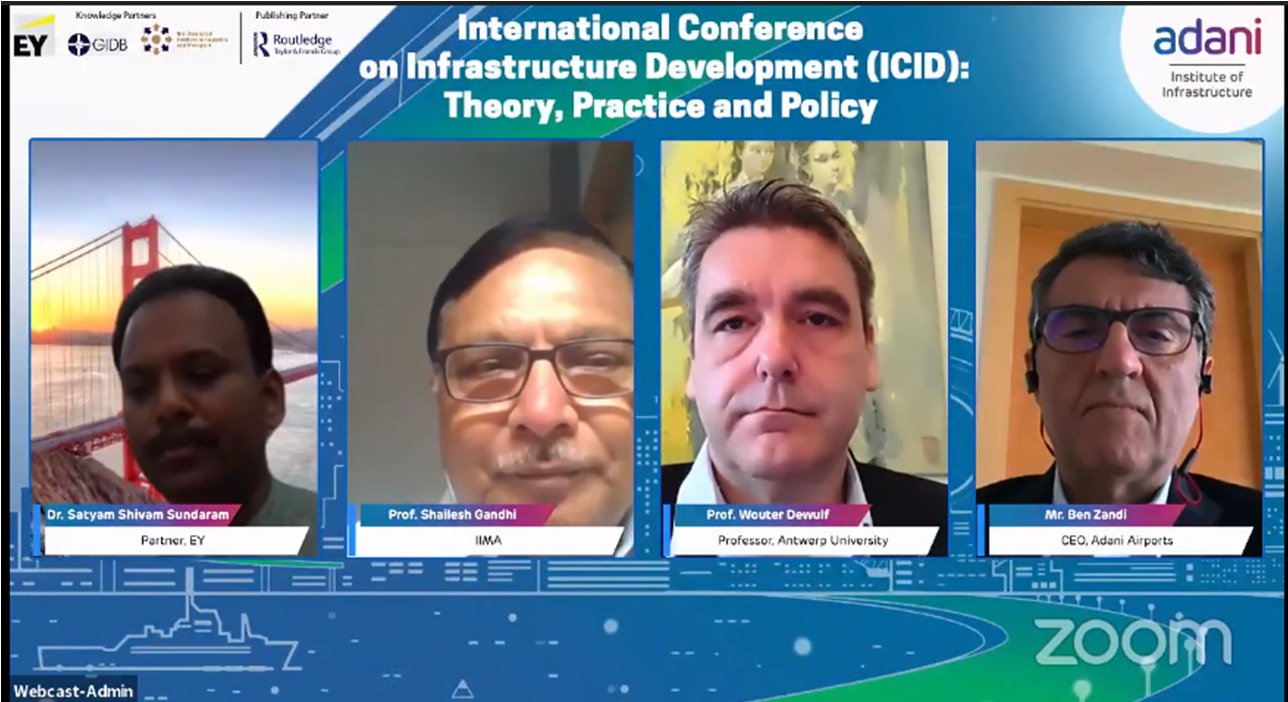
Prof. Shailesh Gandhi, Finance and Accounting, Dean, Programmes, IIMA |
 |
Prof. Wouter Dewulf, Academic Director, C-MAT – AMS, University of Antwerp |
|
 |
Mr. Shailesh Pathak, CEO, L&T Infrastructure Development Projects Limited |
 |
Mr. Amar Kumar Sundaram, India Head- Legal, Corporate Governance and Regulatory Affairs, Royal Bank of Scotland |
|
 |
Prof. Richard T. Thakor, Department of Finance, University of Minnesota |
 |
Dr. Satyam Shivam Sundaram, Partner, Strategy and Transactions, Government & Public Sector, Ernst & Young LLP |
|
| Prof. Devang Desai Dean, AIIM |
Dr. A.V. Thomas Director, AIIM |
| Dr. Rachna Gangwar (Convener) Transport & Public Policy |
Dr. Astha Agarwalla (Co-Convener) Economics & Public Policy |
| Dr. Lakshmi P. Law |
Dr. Kamal Kishore Sharma Strategy |
| Dr. Diti Vyas Communication |
Dr. Amit Shrivastava Finance & Accounting |
| Dr. Samudra Sen Energy & Public Policy |
| Deadline for paper submission | |
| Paper review decision | April 10, 2021 |
| Last date of submission of revised Paper | April 12, 2021 |
| Last date for payment | April 20, 2021 |
Dr. Sandhya Sreekumar, Research Officer (Conference Coordinator)
Email id: conference@aii.ac.in
(M): 6358858010
For more details, please visit: www.aii.ac.in/aiim/icid-2021/
